When the sun’s out and the evenings are long, it’s easy to forget you even have central heating. But your system is still there, and it’s as prone to wear and poor performance as any other part of your home or business.
That makes summer the ideal time to think about central heating cleaning. You won’t miss the heating while the work is done, and heating engineers are at their busiest once the weather turns cold, so it’s often easier to book a date that suits you.
Don’t wait for the worst-case scenario.
If you’ve noticed any of these warning signs, it’s far better to have a power flush now than to wait until winter:
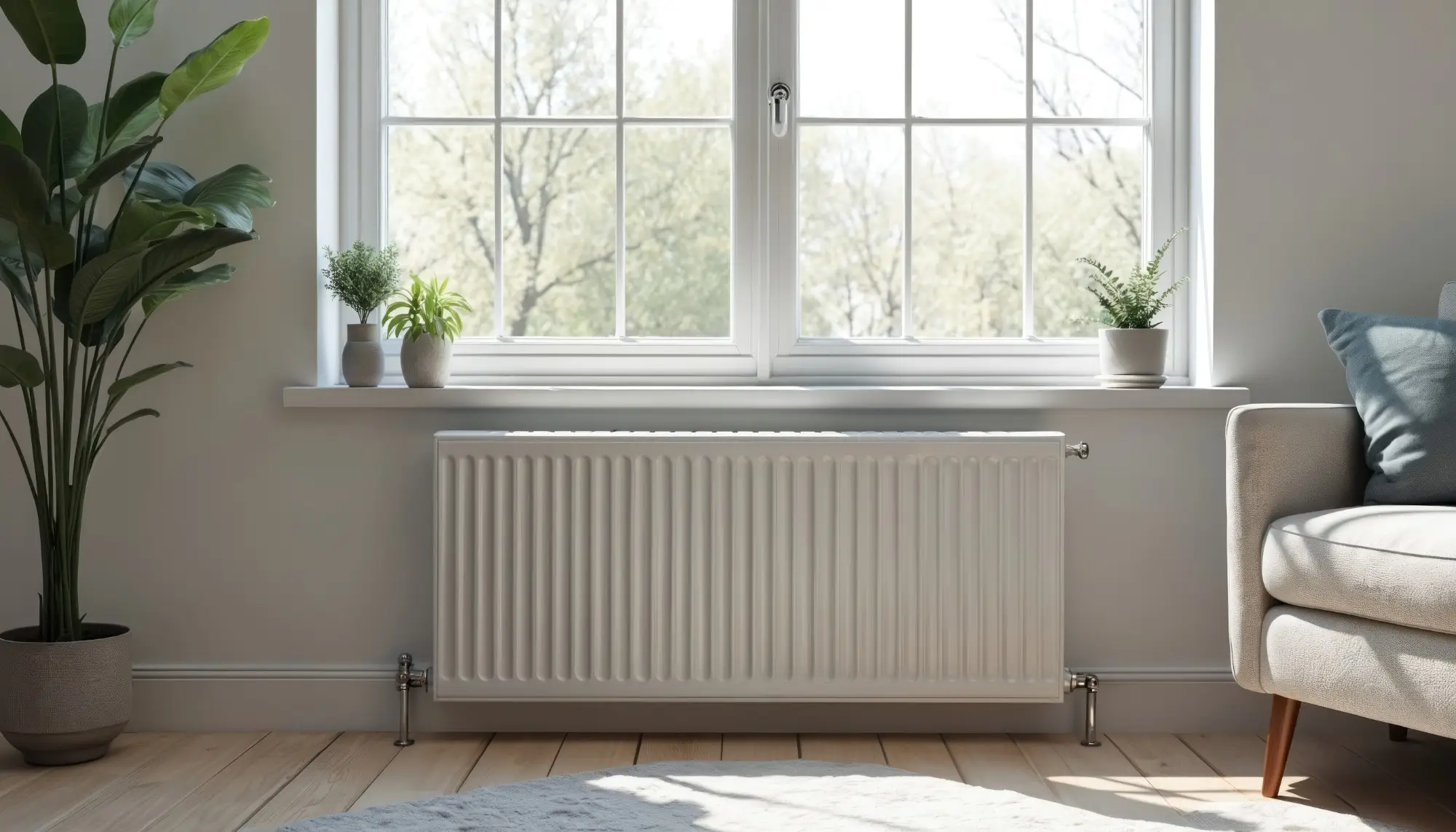
- Cold spots on your radiators
- Your boiler cutting out regularly
- Discoloured water when you bleed your radiators
In winter you’ll be using your boiler much more, and that extra strain puts a struggling system at a much higher risk of breaking down completely. Here’s how to tell if your system needs a power flush.
What central heating cleaning involves.
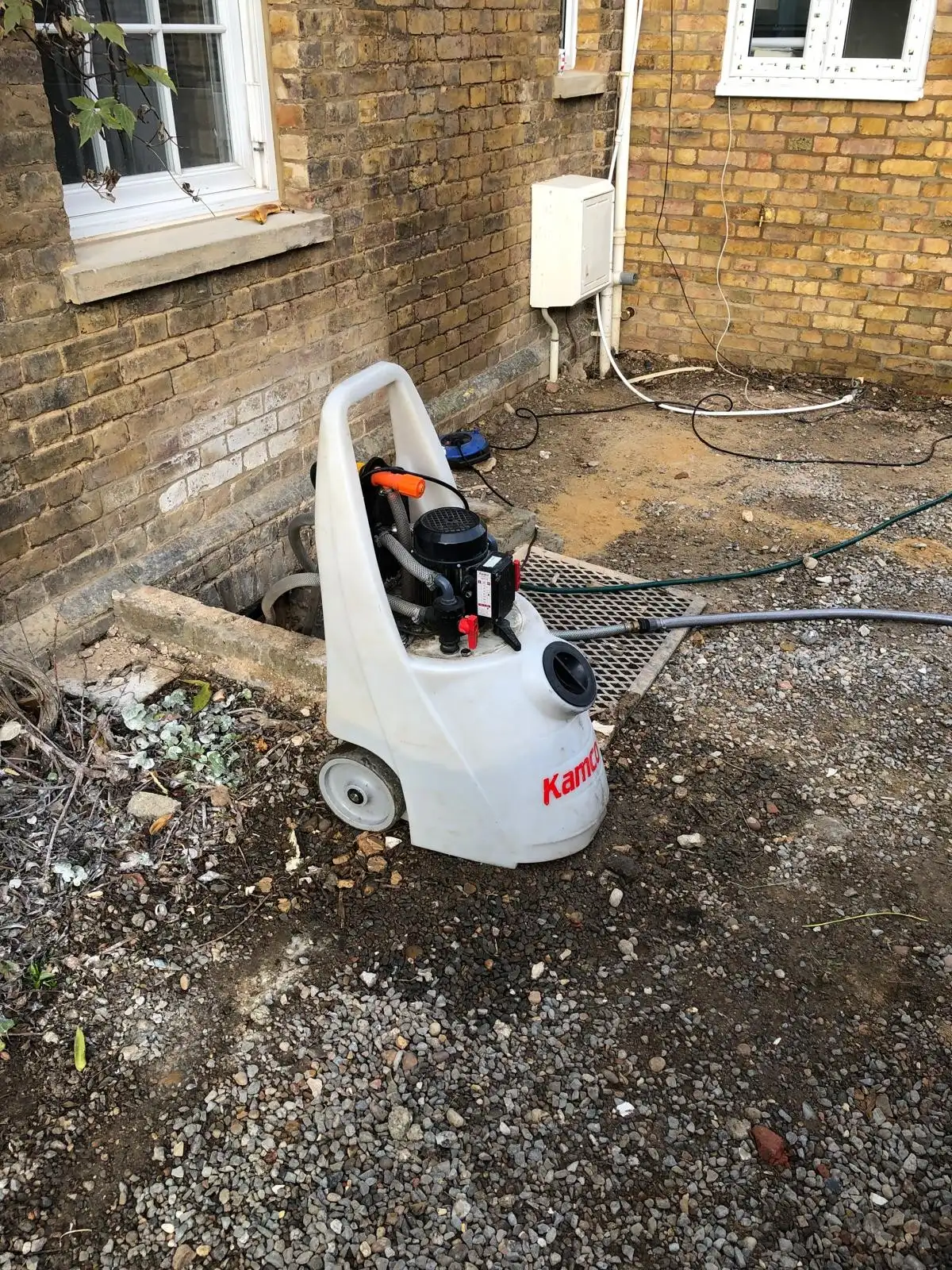
What we call central heating cleaning is also known as power flushing. It flushes out the black iron oxide sludge and limescale that build up in your central heating over time and affect how well it works.
It might sound intrusive, but it’s much less disruptive than most people expect:
- Your boiler stays put. Unless our engineers find a bigger problem that needs urgent attention, there’s no need to remove it, and none of your radiators need disconnecting.
- It’s usually done in a day. A power flush normally takes 6 to 12 hours in an average home, depending on the size of your system and how much has built up inside it.
- We tidy up afterwards. We clear up any mess, so we leave your property as we found it.
Find out more about what happens during a power flush, then build your free online estimate in about a minute, or call us on 0800 3277 448.