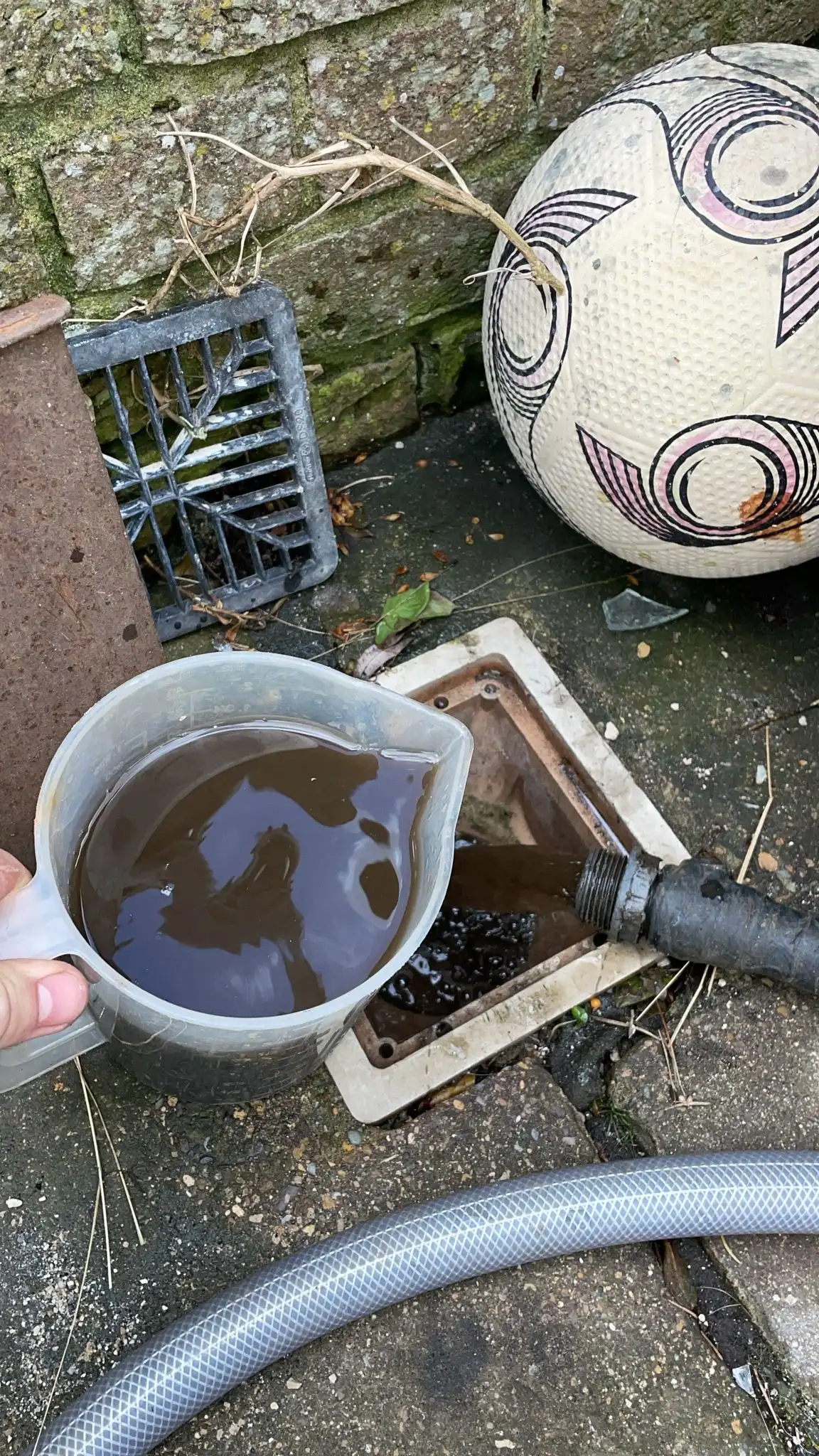
The main purpose of a power flush is to rid your central heating of the sludgy black iron oxide deposits caused by internal corrosion. If too much builds up, water can’t flow around the system properly and your heating becomes less efficient.
We talk a lot about the benefits of a central heating power flush, but it’s worth looking at the other side too. What happens if you leave a less-than-perfect central heating system running for too long?
You won’t feel the warmth as much.
The deposits often block the flow of water into and out of your radiators, causing cold spots. Your radiators won’t give out as much heat, so you end up turning the heating up to compensate, which leads straight to the next problem.
Your heating bills could rise.
This is often the effect that persuades people to book a power flush. Deposits make your central heating less efficient, so it has to work much harder to keep your home at the same temperature, and you pay more for it in the process.
You may need to replace your boiler.
This is the worst-case scenario, but it does happen. Keep an ear out for your boiler getting noisier, and make a note if it cuts out regularly, as both are usually the result of a build-up of deposits. Ignoring them can lead to a costly repair or even a full boiler replacement. Here’s how to tell if your system needs a power flush.
Why it pays to power flush early.
There’s no wrong time to have a power flush with Power Flush Wizard. It helps stop all of the above, improves the efficiency of your central heating and can save you up to 25% on your heating bills.
As well as power flushing, we offer a wide range of central heating upgrades, including scale inhibitors and thermostats. Build your free online estimate in about a minute, or call 0800 3277 448 to talk it through.